Retro Heart 1: The Adorable Color Font for Valentine's Day and Beyond
There’s a particular kind of joy in finding a typeface that feels like it was made just for a specific moment—a font that carries emotion in its very strokes. That’s the experience with Retro Heart 1. It’s not just another display font; it’s a carefully crafted visual asset designed to deliver warmth, nostalgia, and a touch of playful elegance. As a premium color font built in the Opentype-SVG format, it brings a vibrant, multi-colored aesthetic directly into your typography, making it ideal for projects that need to feel heartfelt and engaging.
Understanding the Visual Character of This Typeface
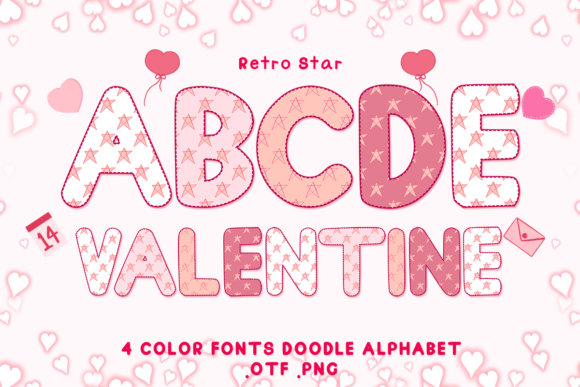
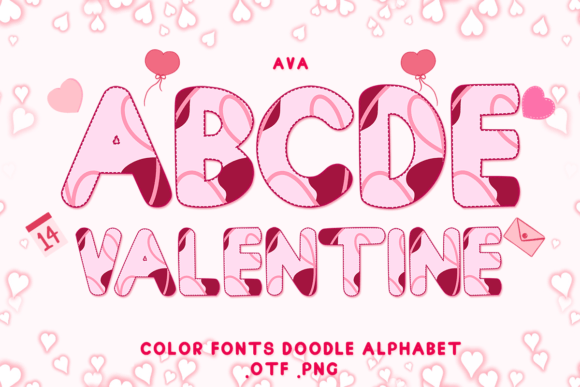
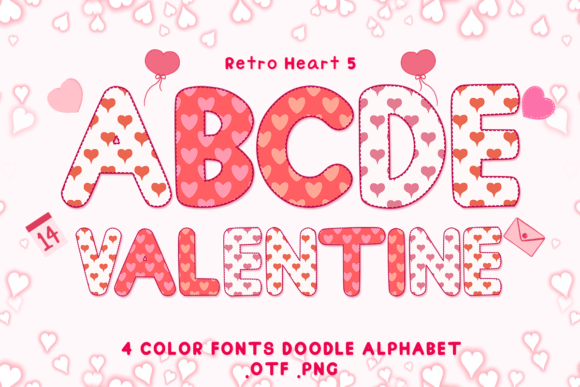
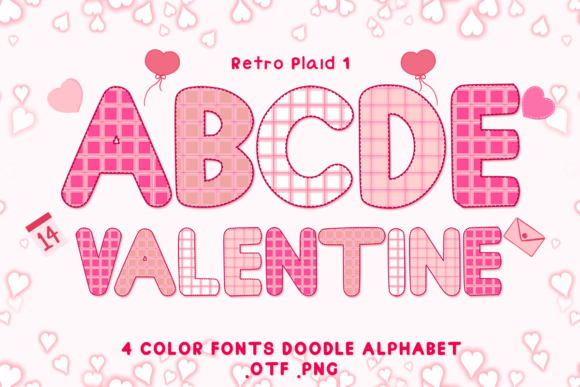
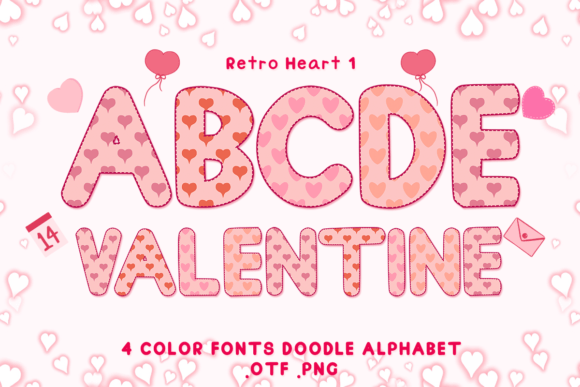
Retro Heart 1 draws inspiration from mid-century charm and modern whimsy. Its letterforms are built around the heart motif, but with a sophistication that avoids being overly saccharine. You’ll notice subtle serif-like details in certain characters, giving it a slightly traditional foundation, while the overall flow has a handwritten, script-like quality. This blend creates a unique personality—approachable yet refined. The color aspect is integral; each character is designed with built-in color gradients and details, which means you get a rich, textured look right out of the box without needing to manually add effects in your design software.
The appeal lies in its versatility as a creative font. It’s perfect for Valentine’s Day campaigns, wedding stationery, or romantic branding, but its retro flair also makes it suitable for vintage-inspired packaging, boutique logos, or festive social media graphics. The design feels intentional, as if each curve and color choice was made to evoke a specific emotional response—one of delight and connection.
Practical Applications Across Creative and Professional Projects
Where does Retro Heart 1 truly shine? Let’s break it down by real-world use cases. For designers and brand strategists, this typeface can become the cornerstone of a brand identity for businesses in the lifestyle, gifting, or event planning spaces. Imagine a bakery’s logo or a boutique shop’s signage using this font—it immediately communicates a friendly, artisanal quality. In editorial design, it works beautifully for magazine headlines, chapter titles in books, or pull quotes that need to capture attention and set a tone.
For marketers and content creators, the font is a powerhouse for social media graphics, email newsletter headers, and digital ads. Its inherent visual hierarchy makes it excellent for call-to-action phrases or promotional banners. Because it’s a display font, it’s best used for short, impactful text rather than body copy. Pair it with a clean sans serif font for paragraphs to maintain readability while letting Retro Heart 1 handle the headlines.
Small business owners and crafters will find it invaluable for product packaging, especially for items like greeting cards, gift tags, or artisanal goods. The font’s commercial license allows for use on physical products, making it a practical design asset. For digital projects, remember its compatibility: it works seamlessly in Adobe Photoshop, Illustrator, and Silhouette, as well as in Inkscape. This makes it accessible for both professional designers and hobbyists working on personal projects.
How This Font Influences Design Outcomes and Audience Perception
Choosing a typeface like Retro Heart 1 isn’t just about aesthetics—it’s a strategic decision that affects how your audience perceives your message. Fonts carry psychological weight. A display font with this level of personality can enhance brand recognition and make your content more memorable. In a crowded digital space, a distinctive typeface helps your visuals stand out, increasing engagement and click-through rates.
From a typography perspective, it influences visual hierarchy by naturally drawing the eye. Use it for key headlines or featured text to create a clear focal point. However, be mindful of readability at smaller sizes; its decorative nature means it’s best suited for larger applications. Testing font pairings is crucial. Try combining Retro Heart 1 with a neutral serif font for a balanced look, or with a modern sans serif for a contemporary contrast. The goal is to let its charm enhance, not overwhelm, your overall design.
For brand consistency, incorporating this font across specific touchpoints—like holiday campaigns, special edition packaging, or signature social media posts—can build a cohesive and recognizable brand voice. It signals creativity and attention to detail, which can elevate perceived professionalism. Just ensure it aligns with your brand’s core identity; it’s ideal for brands that value warmth, creativity, and a touch of nostalgia.
Making the Most of Retro Heart 1 in Your Workflow
Before integrating this font, evaluate your project’s needs. Ask yourself: Does the tone call for a playful, emotive typeface? Is the text primarily for display purposes? Will the color aspect complement my design palette? Since it’s an Opentype-SVG font, familiarize yourself with how to activate its color features in your software—our Ultimate Font Guide is a helpful resource for this.
When testing, create mockups for different applications to see how it performs. Check how the colors render in both digital and print formats. For web use, ensure your platform supports color fonts, as not all do. If you’re using it for a logo or brand identity, consider creating a version in a single color for versatility in less colorful contexts.
Finally, review the included styles and licensing. Retro Heart 1 comes with specific terms that allow for broad commercial use, but always double-check for your intended application. Whether you’re designing a heartfelt Valentine’s campaign, crafting a unique brand identity, or simply adding a touch of joy to a personal project, this font offers a distinctive tool that’s ready to inspire. Its design is indeed intended from the heart, giving you a versatile and charming asset to enjoy across countless creative endeavors.