Retro Plaid 3: A Bold Color Font for Standout Designs
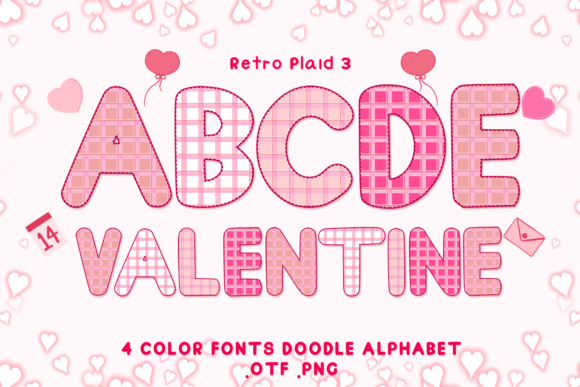
There is a specific joy in finding a design asset that immediately sparks a creative idea. When I first encountered the Retro Plaid 3 typeface, it brought to mind weekend craft markets, cozy winter branding, and the kind of nostalgic charm that makes a design feel personal. This is not just another display font; it is a fully realized color font, meaning the plaid pattern is embedded directly into the glyph data. For designers, entrepreneurs, and content creators looking to bypass complex clipping masks and layering effects, this font offers a distinct shortcut to high-impact visuals.
Visually, Retro Plaid 3 embodies a warm, tactile aesthetic. It mimics the look of woven fabric, creating an immediate association with comfort, heritage, and authenticity. In the world of modern typography, we often chase sleek minimalism, but there are times when a project demands texture and personality. This typeface fills that gap perfectly. It is a premium font designed specifically to stand out in headlines, logos, and merchandise where readability of fine print is less critical than the emotional impact of the text.
Practical Applications for Your Brand and Business
Understanding where a creative font like this fits into your workflow is key to getting a return on your investment. Because Retro Plaid 3 is an OpenType-SVG font, it behaves differently than standard vector text. It is rendered with bitmap data inside the font file, which allows for the rich color and texture you see in the previews. This makes it an exceptional tool for specific types of design assets.
For small business owners and crafters, this typeface is a natural fit for physical goods. Imagine this font used on:
- Packaging Design: Holiday wrapping paper, gift tags, or bakery boxes where the "handmade" feel is a selling point.
- Logo Design: Creating a wordmark for a boutique, a quilting shop, or a seasonal market stall.
- Social Media Graphics: Instagram stories and Pinterest pins that need to stop the scroll with bold, textured text.
- Editorial Design: Magazine headers or blog post titles that aim for a retro or cozy vibe.
Digital creators can also leverage this font for web design headers or digital products sold on Etsy, such as printable planners or wall art. The key is to use it where the text needs to act as an illustration as well as a communication device. It excels in environments where you want to convey warmth, tradition, or a playful retro spirit.
Font Pairing and Readability Considerations
One of the most common questions I hear regarding color fonts is how to pair them with other typefaces. Because Retro Plaid 3 has such a strong visual texture, it demands a partner that plays a supporting role rather than competing for attention. You generally want to avoid pairing it with a complex script font or a busy handwritten font, as the visual noise can become overwhelming.
Instead, look toward clean, structural typefaces to support your message:
- Modern Sans Serifs: A geometric or clean sans serif font provides a neutral breathing room. It ensures that your body copy remains legible while the Retro Plaid 3 headers grab attention.
- Monospaced Fonts: For a slightly edgier, editorial look, pairing this plaid texture with a monospaced typeface can create an interesting contrast between "heritage" and "technical."
- Classic Serifs: If you are going for a "Grandmillennial" aesthetic—a modern take on traditional design—a sturdy serif font can complement the plaid pattern beautifully.
When it comes to readability, you must be realistic about the limitations of texture. Retro Plaid 3 is best used for display purposes. Think headlines, sub-headers, and short bursts of text. Attempting to write a paragraph in this font would likely cause eye strain due to the high contrast of the plaid pattern. Good brand identity relies on hierarchy; use this font to establish the mood, then switch to a legible body font to deliver the information.
Technical Compatibility and Workflow Tips
As a creative professional, nothing slows down a project faster than technical incompatibilities. It is vital to understand the file format of Retro Plaid 3 to ensure a smooth design process. This product is delivered as an Opentype-SVG file. This format is supported by professional design software, but it has specific requirements.
You can confidently use this font in PhotoShop, Illustrator, Silhouette, and Inkscape. These programs support the advanced OpenType features required to render the color data. However, a crucial detail to note for crafters and hobbyists is that this font is not compatible with Cricut software. Cricut Design Space does not currently support color fonts or SVG data within font files. If you are a Cricut user, you would need to use a workaround, such as creating your text in Photoshop or Illustrator, saving it as a transparent PNG, and uploading it as an image to your cutting software.
For those unfamiliar with how color fonts behave, I highly recommend reviewing the Ultimate Font Guide included with the product. It explains how to access the full character set and manage the layers. Unlike standard vector fonts, you cannot easily change the color of the text by highlighting it and picking a swatch; the color is part of the font file itself. However, many high-quality color fonts include "solid" or "outline" versions that allow for standard color editing, giving you versatility in your commercial font projects.
Making the Decision to Download
Choosing the right typeface is about aligning the tool with the message. If your current project feels flat or needs a dose of personality, Retro Plaid 3 offers a ready-made solution. It bridges the gap between graphic illustration and typography, saving you time in post-production.
Whether you are designing a logo for a new client, creating a line of merchandise for a holiday market, or simply looking to refresh your personal blog's aesthetic, this font provides a professional, high-fidelity result. It is a versatile addition to any designer’s library, ready to inject that "cozy" factor into your next creation. Explore the possibilities, test the pairings, and let the design speak for itself.