Retro Plaid 5: Infusing Cozy Charm into Modern Typography
There is a specific warmth that comes with vintage textiles, a feeling of comfort and nostalgia that digital screens often struggle to replicate. That is precisely the gap Retro Plaid 5 fills. It is not just a set of letters; it is a texture, a mood, and a statement. As a color font utilizing the Opentype-SVG format, this typeface brings the authentic, woven look of plaid fabric directly into your design toolkit. It captures the essence of retro aesthetics while offering the crispness required for modern typography.
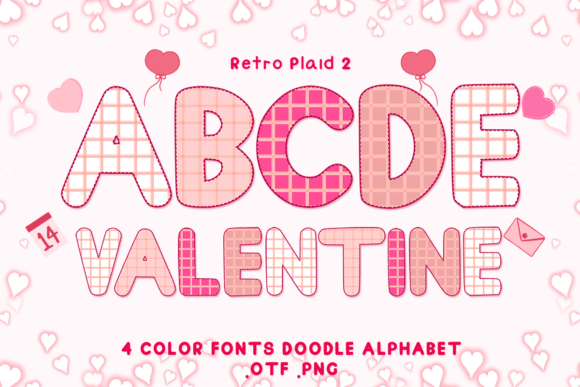
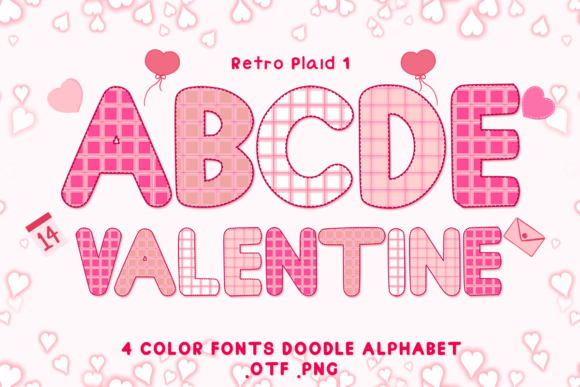
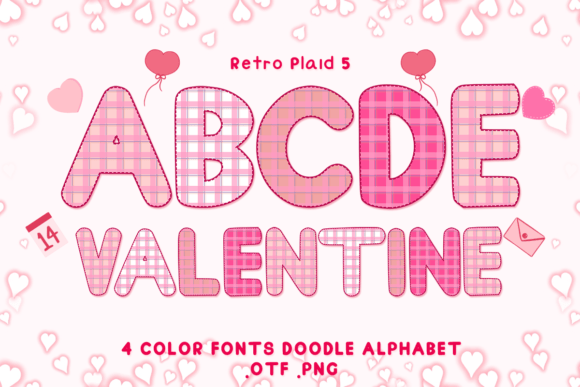
Visually, Retro Plaid 5 presents a bold, display font personality. It features a thick, sans-serif skeleton overlaid with a classic tartan pattern in vibrant colors. This design choice gives it a tactile quality, making it perfect for headlines that need to pop. The "5" in the name suggests a specific color variation within a larger family, likely tailored for seasonal palettes like Valentine’s Day or autumnal themes, though its versatility extends far beyond a single holiday. It stands apart from standard serif or sans serif fonts by combining the legibility of block letters with the intricate detail of textile art.
Strategic Applications for Branding and Marketing
For brand identity, choosing a font is about choosing a personality. Retro Plaid 5 communicates approachability, creativity, and a nod to tradition. It works exceptionally well for small businesses looking to project a "handmade" or "artisanal" vibe without sacrificing professionalism. Imagine this typeface on the logo of a coffee roaster, a boutique clothing line, or a stationery shop. The texture adds depth that flat vector designs often lack, making the logo design immediately memorable.
In packaging design, this premium font shines. If you are designing labels for jams, sauces, or holiday gifts, the plaid texture evokes a sense of homegrown quality. It suggests that the product inside was made with care. However, it is vital to use it strategically. Because Retro Plaid 5 is a creative font with high visual density, it demands space. It is a headline maker, not a body text workhorse. Use it for the product name or a catchy slogan, but pair it with a clean, simple font pairing—perhaps a light sans-serif or a minimal script font—for the ingredients list or descriptive copy. This contrast ensures your visual hierarchy remains intact and the message is easily digestible.
Digital Presence: Web Design and Social Media Graphics
In the realm of web design, texture can be a powerful tool to break the monotony of flat design trends. Using Retro Plaid 5 for hero section headers or promotional banners can instantly draw the eye. It works particularly well for lifestyle blogs, event promotion sites, or digital magazines focused on fashion and crafts. When used in editorial design, it sets a thematic tone immediately, anchoring the reader in the content's aesthetic before they even read the first sentence.
For social media graphics, where stopping the scroll is the primary objective, this font is a formidable asset. Instagram posts, Pinterest pins, and Facebook ads often rely on bold imagery. Retro Plaid 5 acts as both text and image. A simple "Sale" or "New Arrival" written in this typeface becomes a graphic element in itself. It adds personality to marketing materials, making them feel more curated and less like generic templates. Entrepreneurs and content creators can use it to maintain a consistent, recognizable look across their channels, reinforcing brand recognition.
Technical Mastery: Understanding the Opentype-SVG Format
It is crucial to understand the technical nature of Retro Plaid 5. As an Opentype-SVG font, it contains vector data that allows for multi-colored letters within a single glyph. This is a significant leap from traditional fonts where you have to layer letters manually to achieve a two-tone effect. This technology ensures that the plaid pattern scales perfectly without pixelation.
However, compatibility is key. This format is fully supported by professional design software such as PhotoShop, Illustrator, Silhouette, and Inkscape. This makes it a robust choice for graphic designers creating complex compositions. Note! If you are a crafter using a Cricut machine, the standard OTF and TTF files included will not render the color pattern, as Cricut Design Space does not support color font technology in the same way. For users of these cutting machines, the font will likely appear as a solid silhouette. Always check the Ultimate Font Guide provided to understand these nuances before purchasing for specific hardware projects.
Practical Guidance for Designers and Creators
When integrating Retro Plaid 5 into your workflow, consider the context of your project. Because it is a display font, readability is best at larger sizes. It is perfect for posters, t-shirt designs, and large-scale signage. If you are working on a Valentine’s Day campaign, the warm, cozy aesthetic of plaid pairs beautifully with themes of comfort and love, moving beyond the standard hearts-and-cupid clichés.
Evaluate your font pairing carefully. Avoid pairing it with other textured or handwritten fonts, as this will create visual noise. Instead, let Retro Plaid 5 be the star. Pair it with a sturdy, geometric sans-serif for a modern edge, or a classic serif for a more sophisticated, vintage feel. Test the font on different backgrounds; it often looks best on solid, neutral colors that allow the plaid pattern to breathe.
Finally, consider the licensing. As a commercial font, it offers limitless options for small business owners and designers. Whether you are creating merchandise for sale, client work, or digital downloads, you have the freedom to use it extensively. This versatility makes it a valuable addition to any designer's library of design assets. By respecting the technical limitations and leveraging its unique visual strength, you can use Retro Plaid 5 to create designs that feel genuine, engaging, and professionally crafted.